






Fort Ticonderoga is a historic site showcasing architectural marvels reflecting evolving warfare strategies from the 18th to 19th centuries. Its core structures display engineering techniques designed for maximum defensive coverage. Visitors explore barracks, artilleries, and command centers, immersing themselves in past battles through art exhibits and reenactments. The fort's layout, inspired by its strategic location and natural environment, offers hiking trails and souvenirs commemorating its rich history and bond with Lake Champlain. Exploring Fort Ticonderoga provides a comprehensive understanding of its architectural legacy and the vital role of nature in shaping this landmark.
Fort Ticonderoga, a historic landmark nestled along the shores of Lake Champlain, stands as a testament to the region’s rich architectural heritage. Its grand structures, dating back to the 18th century, offer a unique glimpse into the past. However, understanding Fort Ticonderoga’s architecture presents a challenge due to its complex history and varying influences. This article delves into the intricate details of the fort’s design, exploring how each era has left its mark. By analyzing the architectural styles, we can uncover the stories hidden within these enduring walls, providing valuable insights into Fort Ticonderoga’s evolution as a cultural and historical symbol naturally intertwined with the region’s landscape.
- Unveiling Fort Ticonderoga's Historical Building Blocks
- Exploring the Fort's Structural Design and Layout
- Preserving Nature's Role in Shaping Fort Ticonderoga's Architecture
Unveiling Fort Ticonderoga's Historical Building Blocks

Fort Ticonderoga is a treasure trove of architectural history, where each building block tells a story of military might and human endeavor. The fort’s evolution spans centuries, reflecting changes in warfare strategies and technological advancements. From its early beginnings as a French colonial outpost to its pivotal role in the American Revolution, Fort Ticonderoga’s architecture has stood the test of time.
The core structures within the fort complex offer a unique glimpse into 18th and 19th-century military engineering. The main bastion, for instance, showcases the intricate design and construction techniques employed to withstand enemy fire. These historic buildings are not merely static relics; they provide valuable insights into Fort Ticonderoga’s military history. Visitors can explore the barracks, artilleries, and command centers, each revealing stories of battles won and lost. By delving into these structures, one cannot help but appreciate the resilience and ingenuity of past generations.
Beyond its historical value, Fort Ticonderoga offers a diverse range of experiences. Hiking trails meander through the grounds, allowing visitors to connect with nature while immersing themselves in history. The scenic routes provide opportunities to discover hidden nooks and panoramic views, making each trek a unique adventure. Moreover, souvenirs from Fort Ticonderoga are available, offering tangible mementos of this remarkable place for enthusiasts and casual visitors alike. Exploring these architectural marvels and natural beauties ensures a comprehensive understanding of the fort’s enduring legacy.
Exploring the Fort's Structural Design and Layout

Fort Ticonderoga’s architecture reveals a fascinating blend of strategic military design and artistic interpretations of battles that have shaped its history. The fort’s structural design and layout are a testament to the ingenuity of its 18th-century builders, who meticulously planned each stone and log to withstand potential attacks from both land and water. The main structure consists of two parallel walls, connected by towers and bastions, creating a star-like pattern that allowed for maximum defensive coverage.
Navigating Fort Ticonderoga’s interior, visitors are immersed in the fort’s rich history. Each building and room tells a story, with art exhibits showcasing scenes from pivotal battles that took place here. These artistic interpretations not only provide visual context but also offer insights into the lives of those who fortified and defended these grounds. Over time, Fort Ticonderoga has evolved from a strategic military outpost to a popular tourist destination, drawing visitors from around the world. Its impact on tourism is significant, with many coming to experience not just the architecture but also the immersive historical reenactments and educational programs offered.
The layout of Fort Ticonderoga itself serves as an exhibit, demonstrating how early architects and engineers grappled with the challenges of fortifying a large expanse along Lake Champlain’s shoreline. The strategic placement of gunports, guardhouses, and command centers reflects the constant state of preparation and vigilance required during periods of conflict. Today, exploring these spaces offers a unique opportunity to step back in time, gaining a deeper appreciation for both Fort Ticonderoga’s historical significance and its enduring architectural legacy.
Preserving Nature's Role in Shaping Fort Ticonderoga's Architecture
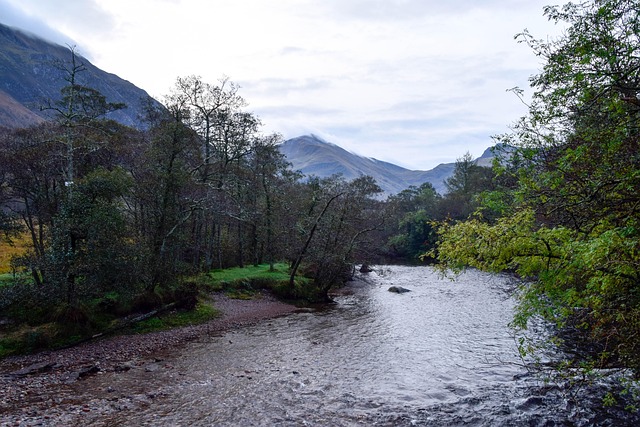
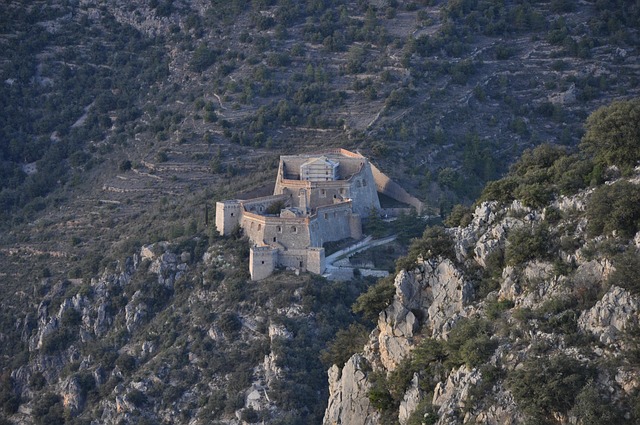
Fort Ticonderoga, a historic fortress nestled on Lake Champlain’s shores, stands as a testament to the harmonious blend of human ingenuity and nature’s beauty. Its architecture, shaped over centuries, reflects the strategic importance of this site while embracing the natural environment that surrounds it. The origins of Fort Ticonderoga lie in its geographical setting—a peninsula jutting into the lake, surrounded by dense forests and towering mountains. This unique location dictated the design, with structures built to complement the terrain rather than obstruct it.
The fort’s early architecture showcased a practical yet elegant approach, utilizing local materials such as wood and stone from nearby quarries. The original buildings were constructed in the 1700s, reflecting the military needs of the time while still maintaining an aesthetic that respected the natural landscape. Over the years, as Fort Ticonderoga evolved, its architecture became more sophisticated, yet it consistently drew inspiration from its natural setting. The official merchandise and art collection at Fort Ticonderoga often feature landscapes that capture this harmonious relationship, showcasing how nature has shaped not only the physical space but also its artistic representation.
Preserving this connection to nature is a cornerstone of Fort Ticonderoga’s appeal. Visitors can explore the grounds and appreciate the strategic placement of structures, designed to take advantage of natural features like elevated viewpoints and deep ravines. Today, souvenirs from Fort Ticonderoga offer a tangible way to carry this connection with you, serving as reminders of the fort’s rich history and its enduring relationship with the surrounding environment. By immersing oneself in these surroundings, one gains a deeper understanding of the fortress’s architecture and its evolution over time, all while being reminded of the vital role nature played—and continues to play—in shaping this remarkable landmark.
Fort Ticonderoga’s architecture is a captivating fusion of historical significance, strategic design, and its natural surroundings. By exploring the fort’s building blocks, structural layout, and the interplay between nature and human craftsmanship, we uncover a rich narrative. Key insights reveal how the fort’s design adapted to its environment, leveraging the terrain for defense while preserving the surrounding landscape. Understanding Fort Ticonderoga naturally provides valuable lessons in sustainable architecture, demonstrating how historical structures can harmonize with their ecosystems. This knowledge encourages modern architects and preservationists to appreciate and emulate these organic design principles.