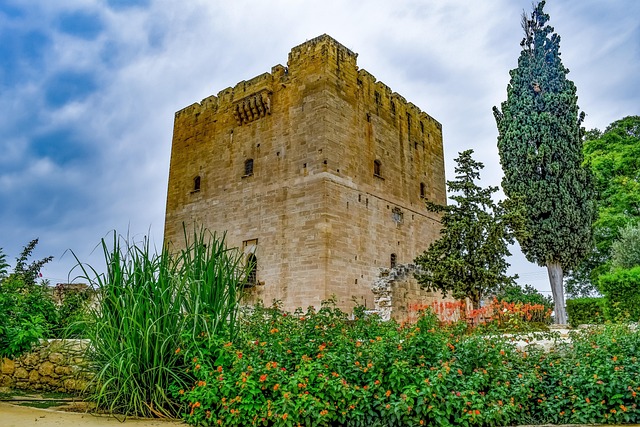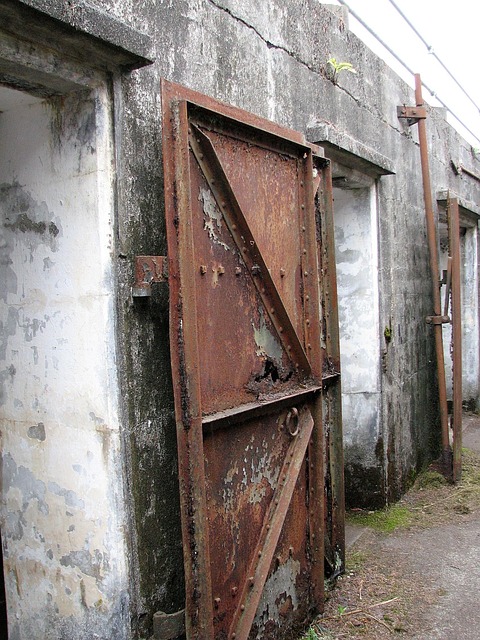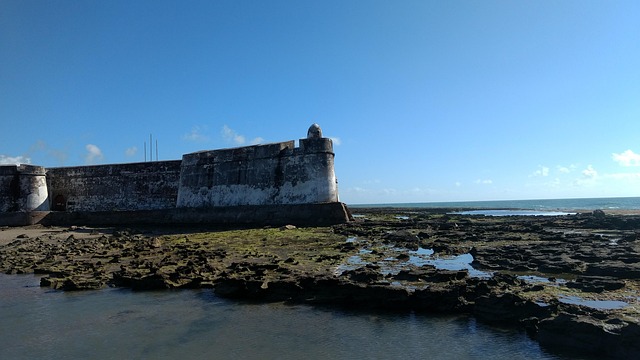








Fort Ticonderoga is a historic site showcasing a unique architectural journey spanning centuries from military defense to cultural hub. Its stone walls, bastions, and evolving design reflect its strategic past while its art collection offers modern interpretations. Today, visitors explore living history, period furnishings, and exhibits, experiencing Fort Ticonderoga's enduring legacy as a symbol of New York State's heritage.
Fort Ticonderoga, a landmark nestled along the shores of Lake Champlain, stands as a testament to the region’s rich history. Its architecture, both past and present, reflects the evolution of military strategy and design over centuries. However, understanding Fort Ticonderoga’s architectural narrative is no simple task. The site’s long history has led to a complex layering of structures, each telling a unique story. This article delves into the intricate tapestry of Fort Ticonderoga’s architecture, exploring how its designs have adapted and remained relevant through time, offering valuable insights for historians, architects, and visitors alike.
- Exploring Fort Ticonderoga's Historical Architecture
- Unveiling the Structural Secrets of the Fortress
- Understanding the Evolution of Fort Ticonderoga's Design
Exploring Fort Ticonderoga's Historical Architecture

Fort Ticonderoga’s architectural landscape is a testament to its rich historical narrative. As visitors explore the grounds, they are transported back in time, experiencing the evolution of military architecture from the 18th century through its transformation into a cultural hub. The fort’s enduring structure tells stories of battles past and serves as an iconic symbol of New York State’s heritage.
The original construction began in 1759 during the French and Indian War, reflecting the British military strategy at the time. Fort Ticonderoga’s design is characterized by its imposing stone walls, robust bastions, and strategic placement of artillery batteries—all designed to withstand enemy attacks from land and water. This period’s architectural style, known for its utilitarian purpose, forms the foundation of the fort’s character. Over time, as the site’s role evolved, so did its architecture. In the 19th century, a series of renovations added grand ceremonial spaces, reflecting the growing interest in romanticizing historical battles and promoting tourism. Today, these spaces host living history days, where re-enactors bring Fort Ticonderoga’s past to life, offering visitors an immersive experience.
The fort’s impact on tourism is significant, drawing nearly 100,000 visitors annually who come to walk in the footsteps of history. Exploring Fort Ticonderoga allows guests to discover artistic interpretations of battles through period furnishings and exhibitions in the gift shop, providing a unique blend of historical accuracy and engaging storytelling. Moreover, the fort’s architecture has inspired countless artists, photographers, and filmmakers, further cementing its place as an iconic New York destination. Whether visiting for the first time or returning enthusiasts, delving into Fort Ticonderoga’s architectural history offers a deeper appreciation of its enduring legacy and its role in shaping America’s past.
Unveiling the Structural Secrets of the Fortress
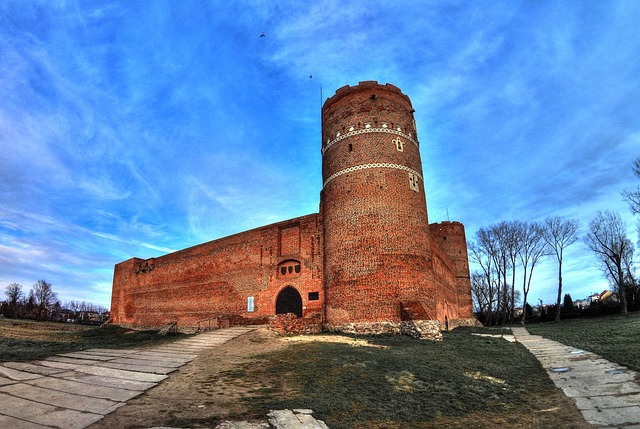
Fort Ticonderoga stands as a remarkable architectural marvel, with its stone walls and imposing structures telling tales of military might and strategic brilliance. Unveiling the secrets of this historic fortress involves delving into the intricate structural design that has endured for centuries. Each corner and wall holds a story, from the massive bastions that once housed cannons to the intricate network of tunnels beneath the earth.
The architecture of Fort Ticonderoga is characterized by a blend of European military engineering and local construction techniques, reflecting its complex history. Built in the late 18th century, the fortress features distinct periods of construction, each adding to its unique character. The earliest structures, influenced by French colonial design, showcase robust stonework and bastions positioned strategically for defense. As time progressed, British occupants introduced new elements, such as the addition of a hospital and barracks, showcasing a shift in functionality while maintaining the fortress’s imposing presence. Exploring Fort Ticonderoga today allows visitors to not only appreciate the aesthetic beauty but also understand the practical considerations that went into its design.
A fascinating aspect of this historical site is the integration of art within its architecture. The official merchandise and art collection at Fort Ticonderoga offer a glimpse into the artistic interpretations of the fortress, with paintings and sculptures enhancing the visitor experience. These artistic representations not only capture the grandeur of the structures but also serve as a bridge between the past and present, inviting folks to explore New York’s rich historical tapestry. By combining structural analysis and artistic appreciation, visitors can gain a deeper understanding of Fort Ticonderoga’s role in shaping America’s architectural landscape.
Understanding the Evolution of Fort Ticonderoga's Design

Fort Ticonderoga, a symbol of military might and strategic significance on Lake Champlain, boasts an architectural evolution as rich as its history. Understanding the layers of its design offers a glimpse into the changing tactical needs and technological advancements over centuries. The fort’s construction began in the mid-18th century, initially as a French stronghold known as Fort Carillon, reflecting the European colonial powers’ competition for control of North America’s strategic waterways. This early phase showcases French Renaissance-inspired architecture with its imposing stone walls and bastions, designed to withstand siege and provide panoramic views of the surrounding terrain.
As the British gained possession in 1759, Fort Ticonderoga underwent significant transformations. The British adapted the structure to their military needs, enhancing fortifications and introducing Georgian architectural influences. This period saw the addition of more gun emplacements, bastions being enlarged, and the construction of a main guard house—all reflective of British colonial architecture. One notable example is the 1776 addition of the Powder House, a crucial component in the American Revolution that demonstrated the fort’s continued strategic importance.
The 19th century brought about further changes as Fort Ticonderoga transitioned from an active military post to a cultural and historical landmark. Restoration efforts were undertaken to preserve its architectural integrity while adapting it for public use. Today, visitors can explore the various periods of the fort’s design through guided tours that highlight the original French construction, British modifications, and subsequent restoration work. The upcoming events at Fort Ticonderoga often include demonstrations and talks focused on these architectural elements, providing an immersive experience.
Beyond its historical significance, Fort Ticonderoga offers a variety of play areas and attractions for all ages. Families can enjoy exploring the grounds, participating in interactive exhibits, and attending seasonal events listed on the fort’s event calendar. Whether you’re interested in architecture, history, or outdoor activities, a visit to Fort Ticonderoga promises an enriching experience that delves into the region’s rich past while offering modern amenities for present-day visitors.
Fort Ticonderoga’s architectural history offers a fascinating journey through time, showcasing the evolution of military defense strategies. By exploring its historical architecture, structural intricacies, and design transformations over centuries, we gain profound insights into the fortress’ role as a pivotal stronghold. This article has unveiled the key stages of Fort Ticonderoga’s development, from its early construction to subsequent adaptations, emphasizing the site’s enduring significance. Readers now possess a comprehensive understanding of how the fort’s architecture reflects changing tactical needs and cultural influences. Practical applications include enhanced appreciation for historic preservation and informed interpretation of architectural heritage, all rooted in the rich narrative of Fort Ticonderoga.