






Fort Ticonderoga, situated on Lake Champlain, is a historical landmark pivotal to North American history from the French and Indian War to the American Revolution. Its strategic location and advanced military engineering made it a key site for conflicts, shaping America's independence. Today, visitors can explore reenactments, archaeological findings, and exhibits that highlight its role in colonial struggles and revolutionary times. The fort offers immersive experiences, drawing history enthusiasts worldwide with its rich tapestry of past events and sacrifices.
Fort Ticonderoga stands as a symbol of America’s rich colonial history, situated on the shores of Lake Champlain where it has witnessed pivotal moments from the French and Indian War to the American Revolution. Its strategic location and impressive architecture have made it a subject of fascination for historians and tourists alike. However, despite its renown, many aspects of Fort Ticonderoga’s complex past remain under-explored, shrouded in myths and misunderstandings. This article presents an authoritative exploration of the fort’s history, delving into its construction, various roles, and enduring legacy to provide a nuanced understanding that does justice to this national treasure.
- Fort Ticonderoga: An Ancient Fortress on Lake Champlain
- From Colonial Outpost to Revolutionary Bastion
- A Historical Haven: Exploring Fort Ticonderoga's Legacy
Fort Ticonderoga: An Ancient Fortress on Lake Champlain

Fort Ticonderoga stands as a majestic ancient fortress perched on the southern shore of Lake Champlain, a body of water that has long been crucial to trade, travel, and defense in North America. Its history stretches back centuries, woven into the rich tapestry of the region’s past. The fort’s construction began in the mid-18th century, a strategic move by the British to solidify their control over the vital waterway connecting New England and the Hudson River Valley. This era, marked by shifting colonial powers and intense competition for territory, set the stage for Fort Ticonderoga’s significance.
The structure itself is a marvel of military engineering, designed with the latest fortifications of the time. Its construction involved thousands of workers, including soldiers, sailors, and civilians, who toiled to create a complex network of walls, bastions, and gun platforms. The fort’s strategic location allowed it to control navigation on Lake Champlain, making it a key player in various conflicts throughout history, from the French and Indian War to the American Revolutionary War. Visitors can explore these historical reenactments, stepping back in time to witness the fort’s role in shaping America’s past.
The best time to visit Fort Ticonderoga is during the warmer months when the surrounding landscape is lush and vibrant. Spring and early summer offer mild temperatures, ideal for exploring the vast grounds without the sweltering heat of summer peak seasons. Discounts are often available during these quieter times, making it an excellent opportunity for budget-conscious travelers to immerse themselves in the fort’s rich history. Whether you’re a history enthusiast or simply appreciate architectural marvels, Fort Ticonderoga invites you to delve into its ancient past and gain a deeper understanding of our nation’s origins.
From Colonial Outpost to Revolutionary Bastion
From Colonial Outpost to Revolutionary Bastion
Fort Ticonderoga, perched on the shores of Lake Champlain in New York State, has witnessed a rich and tumultuous history that stretches back centuries. Initially established as a colonial outpost in the 1750s, this strategic location became a pivotal site during the American Revolution, transforming into a formidable bastion that played a decisive role in shaping the nation’s future. Exploring New York’s Fort Ticonderoga offers a window into its military significance and provides insights into the sacrifices made by those who fought to secure independence.
The fort’s origins can be traced back to the French and Indian War (1754-1763), when the British recognized its strategic value in controlling Lake Champlain. The original structure, known as Fort Carillon, was designed by François-Gaston de Lévis, a French military engineer. Despite its fall to American forces during the Revolutionary War, the fort’s formidable defenses and scenic beauty have ensured its enduring legacy. Fort Ticonderoga’s military history is characterized by a series of sieges and skirmishes that mirrored the broader conflict across America, with both colonial and revolutionary forces vying for control.
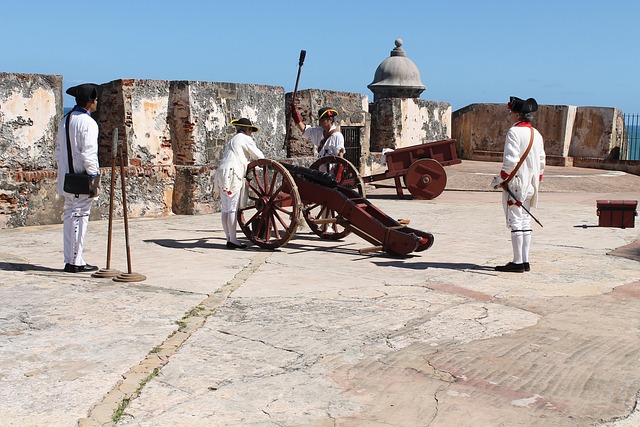
Historical reenactments at Fort Ticonderoga bring this era to life, allowing visitors to immerse themselves in the daily lives of soldiers and civilians alike. These lived experiences not only entertain but also educate, providing a tangible connection to the past. The fort’s well-preserved remnants, combined with ongoing archaeological research, offer a wealth of knowledge about 18th-century military tactics and life on the frontier. Today, exploring New York’s Fort Ticonderoga remains a poignant reminder of the sacrifices made in pursuit of freedom and independence, making it an indispensable destination for history enthusiasts worldwide.
A Historical Haven: Exploring Fort Ticonderoga's Legacy

Fort Ticonderoga stands as a testament to North America’s rich historical tapestry, offering visitors an immersive journey through time. This strategic stronghold, perched on the shores of Lake Champlain, has witnessed pivotal moments in American history, from colonial struggles to revolutionary battles and beyond. Exploring Fort Ticonderoga today is like stepping back into these pivotal eras, where every corner tells a story.
The fort’s legacy as a historical haven extends far beyond its imposing stone walls. The official merchandise and art collection on display provide insights into the daily lives of those who once garrisoned here. Family activities at Fort Ticonderoga encourage intergenerational learning, allowing visitors to engage with history in hands-on ways. The visitors center serves as a gateway to this historical narrative, providing context and continuity through interactive exhibits and knowledgeable staff. Here, guests can delve into the stories of Native American civilizations, colonial conflicts, and the pivotal role Fort Ticonderoga played during the American Revolution.
As a popular tourist destination, Fort Ticonderoga offers more than just historical insights; it provides a unique opportunity to connect with the past in a way that captivates visitors of all ages. Whether exploring the extensive grounds, participating in reenactments, or perusing the gift shop’s collection of authentic replicas and artifacts, each experience contributes to a deeper understanding of this historic site’s enduring legacy.
Fort Ticonderoga stands as a testament to the region’s rich history, evolving from a colonial outpost to a pivotal Revolutionary War bastion. By exploring its past, we gain insights into the strategic significance of Lake Champlain and the role it played in shaping America’s early years. The fort’s legacy endures, offering visitors a unique glimpse into the lives of those who dwelled within its walls, fostering an appreciation for the sacrifices made for independence. This comprehensive exploration of Fort Ticonderoga’s history provides valuable context for understanding not only its architectural grandeur but also the enduring spirit of resilience and freedom it represents.