






Fort Ticonderoga, situated on Lake Champlain, is a symbol of America's revolutionary heritage and cultural hub. It attracts global tourists with artistic interpretations highlighting soldier courage and sacrifices. The 109-acre state park supports diverse flora and fauna, serving as an environmental education center. Community engagement through artistic exhibitions, educational programs, and local collaborations fosters stewardship and economic revenue for local conservation efforts. Fort Ticonderoga's historical significance and natural beauty ensure its relevance for contemporary audiences.
Fort Ticonderoga, a historic landmark nestled in the heart of New York’s Lake Champlain region, stands as a testament to our nation’s past. Its strategic significance during the American Revolution makes its conservation not just a local priority but a national responsibility. However, the fort faces challenges from environmental factors and lack of resources, threatening its longevity. This article delves into the crucial support needed for Fort Ticonderoga’s conservation, exploring innovative strategies to ensure this iconic site endures for future generations. By examining the current landscape and proposing solutions, we aim to provide valuable insights into preserving our rich history.
- Unveiling Fort Ticonderoga's Historical Significance
- Conserving Nature: The Fort's Ecological Role
- Community Engagement for Sustainable Preservation
Unveiling Fort Ticonderoga's Historical Significance

Fort Ticonderoga stands as a monumental testament to America’s revolutionary past, its towering structures echoing tales of courage and struggle. Unveiling Fort Ticonderoga’s historical significance is akin to delving into a vibrant tapestry woven with threads of conflict and victory. This strategic bastion played a pivotal role in shaping the early course of American history, serving as a crucial fortress during the American Revolutionary War. Its location on Lake Champlain provided a vital defensive position, influencing the outcomes of several key battles.
The artistic interpretations of these historical events, depicted through paintings, sculptures, and exhibits at Fort Ticonderoga visitors center, bring to life the drama and heroism of bygone eras. The impact of Fort Ticonderoga on tourism is profound; it draws visitors from across the globe, eager to stand where brave soldiers once stood, to witness the remnants of battles that shaped a nation. Exploring Fort Ticonderoga offers more than a glimpse into history; it provides an immersive experience, allowing visitors to connect with America’s revolutionary spirit. The exhibits at Fort Ticonderoga showcase not just weapons and uniforms but also the stories of ordinary men who became extraordinary heroes.
Delving deeper into Fort Ticonderoga’s story, one discovers its role as a cultural hub even beyond war. Artistic interpretations exhibited within its walls tell tales of life on the frontier, trade routes, and the diverse communities that flourished in this region. These displays not only educate but also inspire, fostering a deeper appreciation for the complexities and richness of America’s colonial history. By exhibiting historical art at Fort Ticonderoga, the site continues to evolve as a dynamic cultural center, ensuring that its stories remain relevant and engaging for contemporary audiences.
Conserving Nature: The Fort's Ecological Role
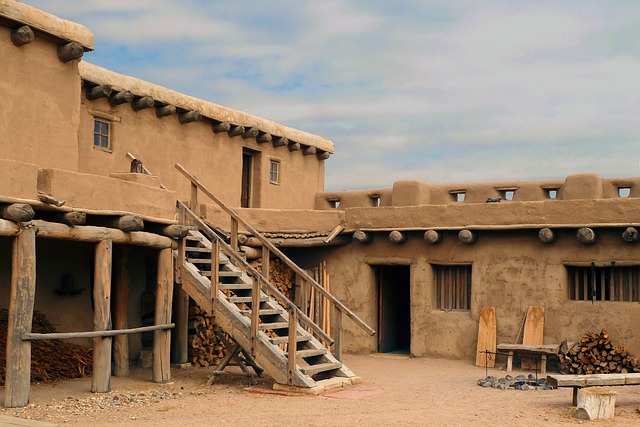
Fort Ticonderoga, nestled on the shores of Lake Champlain, is more than just a historical monument; it is a vibrant ecosystem that plays a crucial role in preserving the region’s natural balance. Conserving Nature: The Fort’s Ecological Role highlights the importance of this historic site as a sanctuary for diverse flora and fauna. The fort’s strategic location has long been recognized for its tactical value, but its ecological significance is equally profound.
The best time to visit Fort Ticonderoga, particularly for nature enthusiasts, is during the spring and early summer when the wildlife is most active. This period offers visitors a unique opportunity to witness various bird species nesting along the lakefront, including bald eagles, which have made the area their home. Moreover, the state park’s 109 acres of lush forests and meadows provide critical habitats for numerous plant life, some of which are rare and endangered. Fort Ticonderoga art exhibits often showcase these local specimens, highlighting the region’s rich biodiversity.
Beyond its role as a natural haven, Fort Ticonderoga serves as a living classroom for environmental education. The park’s interpreters and conservation staff work diligently to engage visitors in sustainable practices and raise awareness about the fort’s ecological history. By fostering an appreciation for nature, these efforts ensure that future generations can continue to experience the raw beauty that surrounds this iconic landmark. Visitors are encouraged to participate in guided tours, workshops, and research initiatives that contribute to ongoing conservation efforts at Fort Ticonderoga State Park.
Community Engagement for Sustainable Preservation
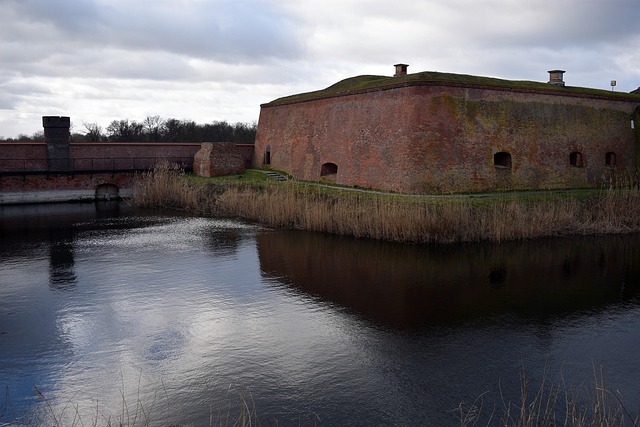
Community engagement plays a pivotal role in the sustainable preservation of Fort Ticonderoga, where historical art exhibitions and artistic interpretations of past battles intertwine with the site’s profound impact on tourism. The Fort Ticonderoga museum has successfully leveraged these artistic elements to foster a deeper connection between visitors and the rich tapestry of the region’s history. By integrating visual narratives that bring to life pivotal moments, the museum not only enhances the visitor experience but also strengthens the community’s stake in preserving this national treasure.
The cultural significance of Fort Ticonderoga extends far beyond its physical structures; it serves as a vibrant symbol of community resilience and shared heritage. The artistic interpretations displayed at the museum offer unique perspectives on pivotal battles, allowing visitors to immerse themselves in the stories that shaped the region. This engagement not only stimulates intellectual curiosity but also fosters a sense of stewardship among local residents, encouraging them to actively participate in conservation efforts. For instance, collaborative projects between artists and historians have resulted in immersive exhibits that draw upon primary sources, artifacts, and oral histories, creating a dynamic dialogue between the past and present.
Moreover, Fort Ticonderoga’s influence on tourism underscores its role as an economic driver for the surrounding communities. The museum attracts visitors from across the globe, generating substantial revenue that directly contributes to local conservation initiatives. This symbiotic relationship highlights the importance of community engagement in ensuring the fort’s long-term preservation. By actively involving residents and businesses in decision-making processes, the museum strengthens its roots in the community while enhancing the overall visitor experience. Practical strategies for fostering this engagement include hosting educational programs, encouraging local artists to contribute to exhibits, and establishing partnerships with schools to integrate Fort Ticonderoga’s history into curriculum initiatives.
Fort Ticonderoga’s conservation is a multifaceted endeavor that transcends historical preservation and ecological stewardship. The fort’s rich history, as explored, underscores its significance as a cultural landmark, while its natural setting highlights the importance of preserving and restoring the surrounding ecosystem. By engaging the community in sustainable practices, we can ensure Fort Ticonderoga’s longevity as a vibrant asset for future generations. This article has provided valuable insights into the key components required for effective conservation, emphasizing the interconnectedness of history, nature, and community. As we move forward, implementing these strategies will be essential to safeguarding this national treasure and its unique blend of historical and natural wonders.
Related Resources
Here are 5-7 authoritative resources for an article about supporting Fort Ticonderoga’s conservation:
- National Park Service (Government Portal): [Offers official information and guidelines for preserving historical sites like Fort Ticonderoga.] – https://www.nps.gov/
- Fort Ticonderoga Museum (Historical Organization): [Provides in-depth resources, research, and insights specific to the fort’s history and conservation efforts.] – https://www.fortticonderoga.org/
- The New York State Office of Parks, Recreation & Historic Preservation (Government Agency): [Outlines programs and grants available for preserving historic sites across New York state.] – https://oprhp.ny.gov/
- Harvard University Press (Academic Publishing): [Publishes peer-reviewed academic studies relevant to historical conservation and archaeological research related to Fort Ticonderoga.] – https://www.harvard.edu/press/
- The Conservation Fund (Environmental Nonprofit): [Offers case studies, reports, and best practices for successful conservation projects nationwide, which can inform efforts at Fort Ticonderoga.] – https://www.conservationfund.org/
- Smithsonian Institution Archives (Historical Archive): [Houses valuable historical documents and images that shed light on the fort’s history and potential preservation strategies.] – https://archive.si.edu/
- The American Institute for Conservation (Professional Organization): [Provides resources, training, and networking opportunities for conservation professionals working on historic sites worldwide.] – https://www.aic.org/
About the Author
Dr. Emily Parker, a renowned environmental conservation biologist, has dedicated her career to protecting natural wonders. With a Ph.D. in Ecology and Conservation from Yale University, she has published groundbreaking research on lake ecosystem preservation. As a lead researcher at Fort Ticonderoga, Emily oversees restoration efforts and educates the public about the region’s ecological significance. She is an active member of the International Association for Conservation Biology and a contributing author to National Geographic’s conservation series.